

Approach
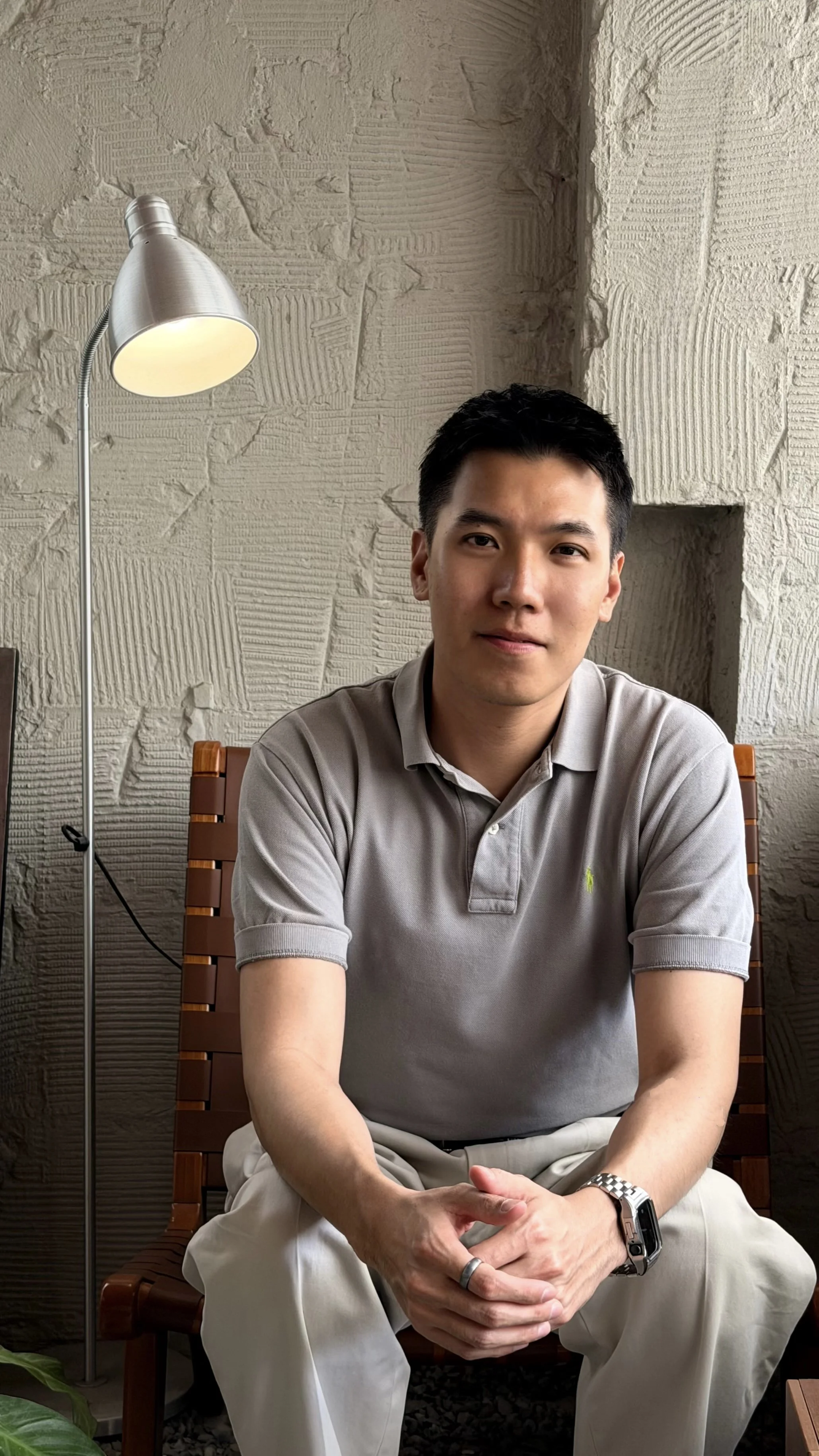
Work with Rich
In session, we don’t just talk about problems; we unfold the map of your life. I specialize in identifying the unseen patterns in relationships with my clients that are often overlooked. By understanding the systemic roots beneath the struggles, the weight of self-judgment begins to alleviate. You are not 'broken'—you are navigating complex life experiences. Our goal is to foster the resiliency and compassion in you, and move forward to the life you have been looking for.
I approach every story with deep curiosity and genuine compassion. I ask questions about how you experience your emotions and relationships, reflecting on the unprocessed patterns beneath the surface. Meeting with me feels like walking with me side-by-side through your memories, your present day, and your desired future. I catch you with warmth when you need support, listen when you need to process, and sit with you when you need space. I welcome your stories, your tears, and your laughter. Together, we will recognize and celebrate the milestones you achieve along the way.
- NY-Licensed Mental Health Therapist (#014671)
- Relationship Work Specialist
- Trained in Emotionally-focused Couples Therapy
- Trained in Trauma-sensitive Mindfulness Therapy
- M.Ed Specialty in Marriage and Family Therapy, University of Florida
- M.Ed in Counselor Education, University of Florida

Emotionally-focused Couples Therapy
Emotionally Focused Couples Therapy (EFCT) is an evidence-based approach rooted in the belief that we are all born with an intrinsic need for connection. Often, life stressors and communication hurdles can make this need feel out of reach, or even hurtful. For example, a frustrated 'You never listen!' is often the surface expression of a deeper truth: 'I feel lonely when you turn away.' EFT helps couples deconstruct these stuck interaction patterns and rebuild their bond by learning to speak and listen to one another’s core attachment needs.

Attachment-based Therapy
Many of us find ourselves repeating painful patterns in our partnerships, friendships, and family of origin. My clients might feel a sense of anxiety that makes it difficult to experience life as truly secure. Attachment-Based Therapy (ABT) helps my clients understand how early experiences created a lifelong pattern for how they handle trust and intimacy. By reconnecting with inner security, my clients will gain clearer insight into their self-esteem and their close relationships.

Trauma-Informed Care
A Trauma-Informed Lens moves away from asking "What is wrong with you?" and instead asks, "What happened to you?" It recognizes that behavioral tendencies like pushing people away or bursts of anxiety are actually survival strategies our brain developed to protect us. By looking through this lens, I honor how we survived, allowing us to relax the "survival brain" so we can finally start living with a true sense of real self and inner peace.
Photo credit and style inspired by Gerd Altmann